Showing posts with label alcohol. Show all posts

Friday, October 2, 2015

Nodict tablets uses and side effects

Nodict is a brand of generic Naltrexone manufactured by Sun Rise Pharmaceuticals, India. It is prescribed for Alcohol and Opioid (Heroin and Morphine) dependence. This medication is one of modern treatment methods used by doctors to treat substance dependence.


How Nodict is used?


This medication is used as a relapse prevention method in Alcohol dependence. Once alcohol withdrawal is treated by a specialist, it is important to prevent any potential reverting back to drinking behavior.


Nodict Tablets


When Nodict is taken, person would not get the same enjoyment as before. Therefore, motivation to continue abstinence increases. In addition, it prevents the person from going back to alcohol taking behavior when he sees related stimuli e.g. Sight of a bar, meeting friends who are used to drinking with him/her.


Nodict can be used to treat Heroin use


However, it cannot prevent an unmotivated person from drinking alcohol. It just helps to prevent alcohol taking behavior in a well-motivated individual. So motivation is the key to achieve abstinence.


Same principals apply to person with opioid dependence. A person who tries to take Opioids while on Nodict would need higher doses to achieve same effects and it could result in serious over dose (could be fatal) of Opioids (Heroin or Morphine).


Courtesy : Pixabay


It is important to note that this medication is successful in people who are already motivated to stop the substance, but could not do it due to long term changes in their brains. In addition, to be successful this medication should be taken as a part of comprehensive treatment plan including psychological and social problem management.


How Nodict is taken


It is available as 25mg and 50mg oral tablets. Usually in the first day 25mg is taken then the dose is increased to 50mg. It should be stopped once the person relapsed (started taking alcohol despite on Nodict) or the person is able to completely get rid of alcohol taking behavior (which should be determined by a professional).


To minimize side effects it should be taken orally with a full glass of water without crushing the tablet. It should be stopped, once the individual starts taking the intended substance while taking this medication.

For people who take heroin and opioids, this medication should be taken only when the substance is completely got off from their body. Otherwise they will experience exaggerated withdrawal reaction.

It should be taken at least six months after achieving abstinence. After six months medication can be stopped. 

How this medication acts?

This medication blocks the opioid receptors in the brain including opioids produced by our own body (endorphins). Opioids produced by our own brain plays a part in alcohol dependence, while heroin and morphine abuse directly causes pleasure and dependence. This medication helps to attain abstinence by way of stopping these substance from acting on the brain.

People with following problems would not able to take this medication


1.       Severe liver damage
2.       Severe kidney damage
3.       People who do not motivated to stop substance and already on them.
4.       Breast feeding women
5.       Pregnant women


Side effects of Nodict


Following side effects are most common. They are Nausea, vomiting, abdominal pain, diarrhea, reduced appetite, increased thirst and sleep problems. Some people may complain headache, increased anxiety, mood swings, delayed ejaculation and increased tears and increased sweating.


Most common side effects in a list


1.       Nausea
2.       Abdominal pain
3.       Diarrhea
4.       Loss of appetite
5.       Sleep problems
6.       Headache
7.       Increased anxiety
8.       Mood swings
9.       Delayed ejaculation
10.   Tearfulness
11.   Increased sweating


Summary


Nodict is a brand of Naltrexone that is used in Opioids and alcohol dependence. It should be prescribed by a professional as part of comprehensive treatment plan. Main side effects are nausea loss appetite, and headache.




Thursday, September 24, 2015

Is delirium tremens occur during acute alcohol intoxication ?

Delirium tremens is a severe withdrawal reaction to alcohol. Alcohol intoxication is a state that occurs following intake of alcohol. It usually occurs in individuals who is getting rapid increase in blood alcohol concentration.

This was a question asked from me.


Both Delirium tremens and Alcohol intoxication can become life threatening. Alcohol intoxication is life threatening due to large quantities of alcohol in the blood which depresses brain activity. Sometimes such depression of brain activity can result in inhibition of respiratory center. Usually normal people get vomiting before alcohol reach such dangerous levels.

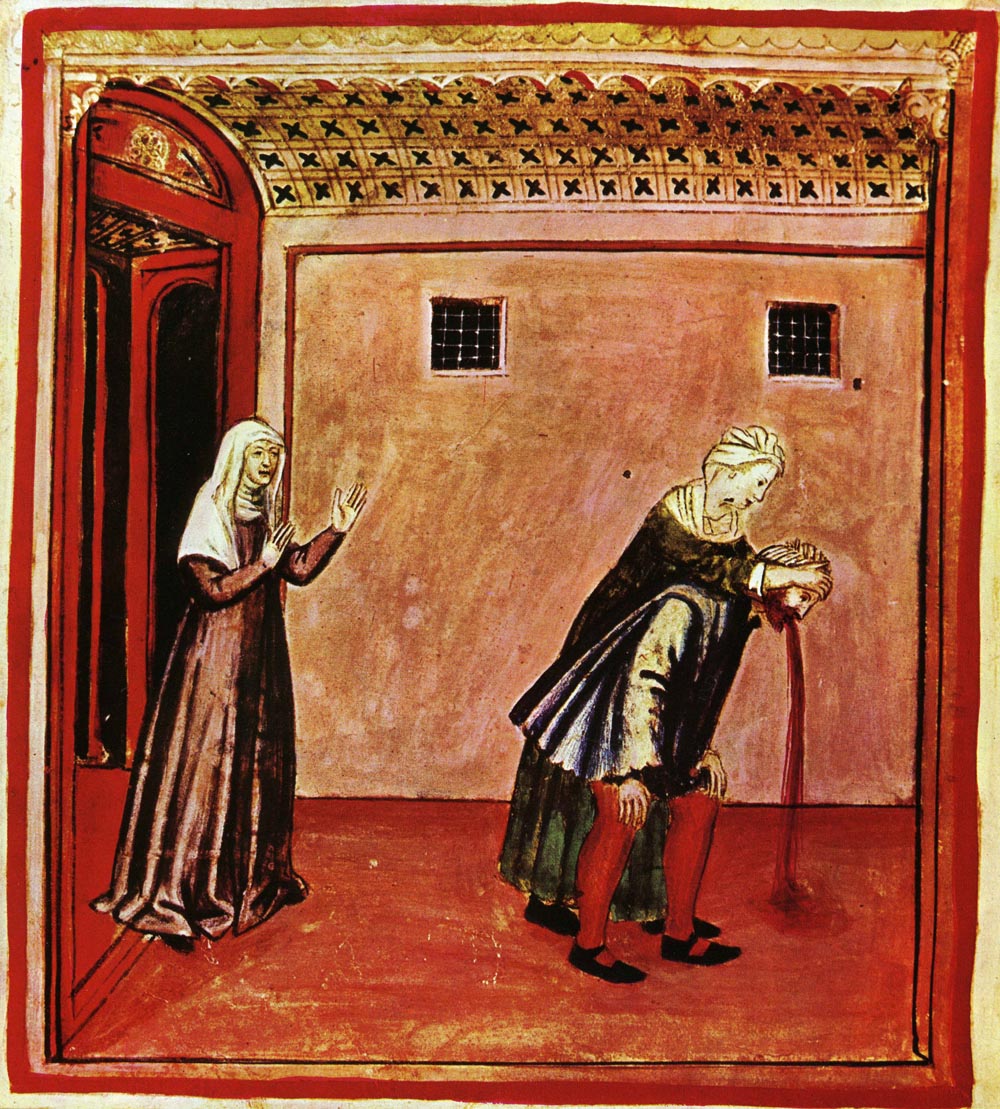
Usually vomiting occurs before alcohol reach dangerous blood level


What happens in delirium tremens


But delirium tremens kills in a very different way. Delirium tremens occur in a person who is alcohol dependent and then stops taking alcohol suddenly. In an alcohol dependent person brain neurochemistry alters so he can tolerate alcohol. Once alcohol is withdrawn from the body, unopposed neurochemical changes become hyperactive and can become life threatening.

Symptoms of delirium tremens is characterized by gross tremors, seeing things that are not real and sudden changes in body temperature and sudden changes in blood pressure. These things can sometimes become so severe, it can kill the person.

It is claimed that people with delirium tremens see small pink elephants!!


It usually does not occur during an usual episode of acute alcohol withdrawal. It occurs only in a dependent alcoholic.

So when an Alcohol dependent person stops taking alcohol, he/she should consult a doctor before doing so. It is very important.

See this article to see medications and how doctors treat delirium tremens.  


Wednesday, August 12, 2015

Librium for alcohol withdrawal

Librium is a benzodiazepine class medication commonly prescribed for alcohol withdrawal. It reduces symptoms of alcohol withdrawal such as tremors, sleep problems and visual disturbances. In addition, it reduces chances of getting alcohol withdrawal seizures (fits).

Librium is the generic name of Chlordiazepoxide. It acts via activating GABA type A receptors in the brain. In addition, Librium is the first benzodiazepine to hit the market.

What are alcohol withdrawal symptoms?

Alcohol withdrawal is experienced by people who are dependent on alcohol. Once they stopped alcohol suddenly, they will experience tremors, poor sleep, nausea, fever and increased heart rate. Withdrawal symptoms usually develop within 6 - 12 hours from the last  drink.

Sometimes alcohol withdrawal can become dangerous. It is dangerous when you develop a condition called delirium tremens. Delirium tremens is characterized by severe withdrawal symptoms associated with perceptual disturbances such as visual hallucinations. In addition, during the phase of delirium tremens, person will experience severe fluctuations in blood pressure and body temperature.

Any type of alcohol can cause dependence and withdrawal


They behave aggressively toward imaginary visual hallucinations and could easily misinterpret other stimuli as strange and threatening. They show marked behavioural problems, especially at night.

Patient with a delirium tremens should be managed in an inward setting with a high dependency unit.

In addition, sometimes alcohol dependent person can develop alcohol withdrawal seizures or fits. It can also be harmful.

Because of these harmful withdrawal effects, alcohol dependent people should first consult a medical doctor before stopping alcohol.

Who are alcohol dependent people?


Alcohol dependent people have following symptoms,

1. Craving for alcohol
2. Tolerance for alcohol : Need large amount of alcohol to get intoxicated
3. Getting withdrawal symptoms described above
4. Continued alcohol use despite harmful consequences (Losing job, liver damage, family disharmony)
5. Unable to control alcohol taking behaviour
6. Loss of other pleasurable activities

If a person has three of above symptoms together at sometime during last year they have dependence.

Is Hangover alcohol withdrawal?


This alcohol withdrawal syndrome is not to be confused with hangover that occur after a episode of binge drinking. Hangovers are usually due to reduced blood sugar due to how body metabolises alcohol and due to alcohol metabolites accumulating in the body (Aldehyde).
 It is helped by taking milk with sugary drink.

Alcohol withdrawal is no to be confused with Hangover : Courtesy : Pixabay.com

Why people develop severe alcohol withdrawal reaction?


Brain adapts to alcohol in dependent person. Once alcohol is withdrawn from his/her blood stream, those adaptable changes become unopposed. These changes can become so severe it can kill the person.

How Librium helps?

Librium is acting similar to alcohol. Once alcohol is not in the system Librium keep those adaptive changes in check. Then librium is gradually reduced. So body has enough time to readapt itself.

How Librium is given for alcohol withdrawal?


Librium is usually started in a high dose and then gradually the dose will be tailed off. Common doses to start with are (30mgs 6hrly, 20mg 6hrly). Then the dose is gradually reduced until the withdrawal features are disappeared.

Usually Librium is tailed off within five days. But a night dose is continued for sometime to help sleep disturbance associated with alcohol withdrawal.

It usually takes one to two weeks to completely detoxify alcohol dependent person. However, his/her craving for the alcohol will not subside with Librium. It needs careful psychotherapy and medications such as Acamprosate.

Problems associated with Librium?


Librium can cause drowsiness, sedation, cognitive impairment, and motor coordination difficulties. Due to this reason a Person who is on Librium should not operate machinery or drive vehicles. But they can do these tasks once he/she is off drugs for more than a week, so the drug is cleared from the body. 


Saturday, June 20, 2015

Use of Anxizide for alcohol withdrawal and its side effects

Anxizide is a brand of Chlodiazepoxide manufactured in India.
It is a long acting drug of the benzodiazepine family. It is a prescription only medication used in anxiety disorders and alcohol withdrawal. Main side effects are lightheadedness and drowsiness.

How Anxizide acts?

It increases the action of GABA type A receptors. This increases the inhibitory neurotransmission in the brain and it relieves anxiety and induces side effects such as drowsiness.

It works in alcohol withdrawal as it will counter balances the effects caused by alcohol withdrawal. In alcohol dependence there are certain changes happening in the brain which will become unopposed when the alcohol is suddenly discontinued. Alcohol withdrawal can become very dangerous (lethal) if not treated adequately.

Anxizide is also called Librium


Use in Alcohol withdrawal

 Anxizide mainly used as a detoxification agent in the acute alcohol withdrawal. Usually doctors start from very high doses in alcohol withdrawal and gradually tailing it off over period of time (Usually within five to six days). Also it is prescribed in the management of anxiety disorders and for short term relief of anxiety.
Alcohol withdrawal is the main indication of Anxizide


Usual starting dose would be 30mg thrice daily for one day. Then it is gradually tailed off depending on the response.

What the doctor should know before prescribing?

If you have any medical problems such as kidney disease, liver disease, breathing disorders or myasthenia gravis, discuss with your doctor before taking Anxizide. If you are pregnant, your doctor may not prescribe this medication, especially in last three months of the pregnancy.

General advice to avoid/minimize side effects

This medication is available as capsules. It should be taken as whole with a full glass of water. This medication must be taken according to the advice given by the doctor. You should avoid alcoholic beverages during the drug therapy. Operating machinery and driving is not recommended while on this medication. If the drowsiness is severely affecting patient’s day to day activities, it is recommended to discuss about the dosing schedule with the doctor.

Side effects of Anxizide

Most common side effects are light headedness and drowsiness which can continue to the next day. If the patient is taking Chlordiazepoxide for alcohol withdrawal, chances are high that he is taking high doses of the drug. This makes the side effects severe in patients who are taking the drug for alcohol withdrawal. Rarely excitation and aggression can occur (paradoxical excitation).

Confusion and ataxia (loss of full control of bodily movements) is also common. This usually manifest as a tremor when patient tries to move. Confusion and ataxia is common in elderly patients. It can also cause recent memory loss. Muscle weakness is also common.

If the patient continues to take the drug for a longer period, then patient can become dependant on the drug. That means having withdrawal symptoms after stopping the drug.

Occasionally patients complain of a headache. This can be controlled by taking over the counter pain killers such as paracetamol. Vertigo is another symptom that can occur occasionally.

Sometimes faintishness can occur due to low blood pressure (Hypotension) due to Anxizide. Some patients will have gastro intestinal disturbances like nausea, vomiting and diarrhea.

Some patients will have visual hallucinations, illusions and various other visual disturbances but they are very uncommon. Rarely patients can develop urinary incontinence and urinary retention. Also there are harmful interactions with other central nervous system depressants like opiates.


Summary
Anxizide is a medication in Benzodiazepine drug class. It is used primarily in alcohol detoxification. Main side effects are nausea, drowsiness and light headedness.

Sources
British National Formulary


Saturday, October 29, 2011

Relationship of Alcohol and mania (Bipolar disorder)

Mania is a one end of bipolar affective disorder (It is characterized by shifts between mania and depression.). Mania is characterized by elevated mood, increased energy, increased spending, increased talkativeness and increased pressure of thoughts. In the severe form it can cause grandiose delusions and  auditory hallucinations.

Alcoholism and mania (Bipolar disorder) can co exist, because of the possibility of sharing common genes.

In addition, alcoholism can complicate preexisting bipolar mania. Abuse of alcohol can make the condition, difficult to treat. In addition, patients with mania is known to have social and emotional disinhibition. This make it hard to stop alcohol in a patient with bipolar disorder.

Alcohol is also known to cause or precipitate bipolar affective disorder. Therefore, alcoholism and bipolar disorder creates a viscous cycle that lower the prognosis of both conditions (Alcoholism and Bipolar disorder).

A person with both problems need to take drugs to control his/her bipolar disorder and take steps to stop alcoholism at the same time. Theses patients need lot of help from his/her family and the healthcare provider.


Thursday, September 15, 2011

Best drugs for insomnia after giving up alcohol

According to a systematic review (Pharmacological Treatment of Insomnia in Alcohol Recovery: A Systematic Review) published in Alcohol and Alcoholism journal, there are several drugs that can be used for insomnia or lack of sleep seen in patients who gave up alcohol. In most patients, these sleep problems can go on for months.

Usually chronic alcohol dependence patients need to be detoxified before stopping alcohol. It is because alcohol changes the person's brain chemistry and sudden alcohol withdrawal can cause severe reaction that can even kill the person. Therefore, doctors give certain drugs to allow the brain to adjust to sudden withdrawal of alcohol. 

However, after taking off these detox drugs (Usually Librium) some patients complain insomnia for a prolonged period and it can cause treatment failure (Returning to take alcohol).

The treatment of insomnia in alcoholic patients has been poorly studied by doctors. In addition, treating sleep problems in alcohol recovery phase is complicated by the fact that some of the most commonly used medications to treat sleep disturbance are thought to have a high abuse potential e.g Ambien, Benzodiazepines (Vallium).

Above study has identified some drugs that can be used for this condition. They are

1. Trazadone (Desyrel)
2. Gabapentine (Neurontin)
3. Lormetazepam (Noctamid)

However, contrary to popular belief Ambien and other Z drugs are not effective in this condition.

Sources


Tuesday, July 19, 2011

How to change human behavior through Cognitive dissonance theory?

Cognitive dissonance theory is a prominent social influence theory that was developed by Leon Festinger. It is used in behavioral modification such as in preventing alcohol abuse.

According to this theory, there is a drive towards cognitive consistency in humans. These cognitives are attitudes, behavior, and facts. When there is a inconsistency between two cognitions, the person experiences an internal discomfort. This makes the individual to remove that discrepancy and bring the cognitions into harmony.

For an example, we can ask a person who is abusing alcohol to join an anti alcohol public campaign. We can motivate him to do this by saying that it is not such a big deal and you can make new friends. In addition, if he is not willing to stop alcohol then we can say that he can continue drinking in other times and the participation is just a another event.

However, active participation in an anti alcohol campaign creates a cognitive dissonance in a person who abuse alcohol and it causes discomfort.

A diagram of cognitive dissonance theory  
Franzbranntwein  

Image via Wikipedia


Most people will remove that discomfort by changing their attitude against alcohol. which will ultimately result in stopping the alcohol taking behavior. It is because changing the line of action that is already undertaken create more discomfort and it introduces the idea that the initial judgment to participate in the event is wrong. It is usually against one’s generally favorable view of oneself.

Actually anti alcohol campaigns are not much of a help to general public. However, they are effective in controlling alcohol intake in the people who actively participating in such programs.


Monday, July 18, 2011

Interactions of alcohol with antidepressants (Elavil, Prozac)

Alcohol is a complex psycho pharmacological agent. It has many actions on the central nervous system. Main actions are GABA stimulation and Glutamate inhibition. GABA is a naturally occurring neurotransmitter. In addition, Alcohol acts on brains opiod  receptors and causes euphoria.Alcohol also has selective serotonin reuptake inhibition properties (action of prozac).

All these actions results in significant interactions between other psychopharmacological medications such as antidepressants.

Interactions with TCA (Elavil, Amitryptalline)

 Alcohol causes reduction in REM (Rapid eye movement) sleep. It is one reason for the hangover seen in the following day. In addition, it worsens sleep disorders. Antidepressants such as TCAs also causes disturbances in REM sleep. REM sleep is believed to be important for our mental health. Taking Elavil and alcohol will result in greater sleep disturbance and can increase the hangover.

In addition, both agents causes drowsiness. Therefore it can increase the day time drowsiness as well. Both agents cause impairment skilled tasks, therefore operating machinery or driving motor vehicles would be very dangerous if you take Alcohol in combination with Elavil.

If somebody who used to take alcohol would find that they will get problems of alcohol for a small amount, when they combine Elavil or any other TCA class antidepressant with alcohol.

Interactions with SSRIs
 Even though, Prozac cause no sedation, it can happen if you take alcohol and prozac together. Prozac will increase the sedative properties of alcohol.

Summary
You should be very cautious when taking both alcohol and antidepressants. It is better not to drive or operate machinery when you take alcohol (even amount of alcohol that can be previously taken safely) with an anti depressant.

Sources
British National formulary 


Further reading
http://www.mayoclinic.com/health/antidepressants-and-alcohol/AN01653


Tuesday, July 12, 2011

Pathological Alcohol intoxication (mania a potu)

This is a type of abnormal state associated with alcoholism. Pathological alcohol intoxication is an extraordinary severe response to alcohol, especially to small amounts marked by apparently senseless violent behavior, usually followed by exhaustion, sleep and amnesia for the episode.

Delirium Tremens (bière)


However it is a rare phenomenon. In addition it is important to note that it is used by criminals to form a legal defense against their criminal activities. e.g. I killed that person because I took quarter of glass beer and I am having pathological intoxication. But most experts can differentiate real pathological intoxication from a fake one.

But some doctors think that there is no entity called pathological intoxication and there is no evidence based data to back it up.

In addition, this condition is not associated with bipolar mania (as the name suggests). You can read my blog post on relationship between alcohol and bipolar mania here


How Pathological intoxication differs from usual intoxication?

In usual alcohol intoxication person usually takes significant amount of alcohol. In addition he/she has physical features of alcohol intoxication such as slow reaction time and impaired coordination. Here behavior can become violent, but sometimes not.

In pathological state, behavior is always violent. After the violent episode the person complain lack of memory of the behavior. Usually in pathological intoxication behavior is more organized than the common alcohol intoxication. In addition in pathological intoxication, the person is not addicted to the alcohol. He/she usually takes alcohol occasionally and gets a severe reaction to it, then stops taking alcohol for a while.

How to differentiate pathological intoxication from delirium tremens

It should be distinguished from delirium tremens which is associated with alcohol withdrawal. Delirium tremens is a state that follows after a reduction in amount of alcohol taken by an alcohol dependent person. Person who abuses alcohol for some time may take less than the usual amount of alcohol and then he/she may go into develop delirium tremens. 

Here person sees abnormal things and hears voices/sounds that are not real. In addition in delirium the person can becomes violent, but usually due to the wrong interpretation of surroundings and people. Organized criminal activity is extremely rare in delirium tremens and if not treated it can become life threatening. However pathological intoxication is never a life threatening condition.

Relationship to the Movie : Final analysis

The movie "Final Analysis" directed by Phil Joanou and acted by Richard gere, Kim bassinger and Uma Thurman depicts pathological alcohol intoxication. In fact, it is quite accurate in terms of scientific perspective. Here you can see a trailer of this 1992 movie. 


Summary

Pathological intoxication is a rare abnormally violent response to minute amounts of alcohol. Pathological intoxication per se is not life threatening. It can be differentiated from the common alcohol intoxication. In addition it can used in legal defense.   


Further reading on alcohol related issues


A case history of Pathological alcohol intoxication - PsycNET - American psychological association

Pathological intoxication, Is there such an entity (Pubmed abstract)

Librium for alcohol withdrawal

Uses and side effects of Nodict tablets : A medication prescribed for alcohol relapse prevention.


Sources

Symptoms of mind by Andrew Sims


Friday, July 1, 2011

Why is alcohol addictive?

Alcohol is a rather unusual substance and people consume it since the beginning of the human civilization. However, scientists say if Alcohol was found today, it would be certainly a banned substance (FDA would have definitely banned it).

Properties of Alcohol

Alcohol is a simple molecule, but it shows some remarkable properties and actions on neuroreceptors that cause addiction.
1. Alcohol acts on GABA type A receptor via benzodiazepine site. Therefore, alcohol has the actions of Vallium or Xanax
2. Alcohol acts on opioid receptors in the brain: - This causes euphoria and effects of heroin. But in a less intense way.
3. Alcohol acts on the dopamine system of the brain: - This is similar to Cocaine.
4. Alcohol in larger doses acts as a general anesthetic
Source: The National Institute on Drug Abuse, ...
Image via Wikipedia
5. Alcohol has some properties of SSRI or selective serotonin reuptake inhibitors: Therefore it causes increased energy and alleviates depression but for a greater cost.

What is the brain reward system?

Knowledge about the brain’s reward system is necessary to understand why alcohol is so addictive.
In human brain there is a reward system in place to motivate us. It activates when you eat, have sex, and achieve something. It makes you feel good. In addition, human brain learns about these rewards and attaches memories surrounding these events. This helps us to pursuit our goals.

Problem with alcohol is that it activates the brains reward system artificially and it is much more intense than the natural rewards. Then the brain pathologically learns about alcohol and its surroundings (sight of a bar, friends who drinks and surrounding circumstances).

Since alcohol activates reward system, addicted person will ignore natural ways to get his pleasures resulting in loss of employment, loss of academic performance and relationship problems.

In addition, when he sees a bar or meets a friend who took alcohol with him causes activation of the memories of the reward system that make him seek alcohol. It is a strong desire and most people cannot control it, even they decided to get rid of alcohol.

What is Alcohol withdrawal?

Since alcohol has many pharmacological actions on the brain’s neuroreceptors, human brain adapts to long term alcohol intake by way of changing its own chemistry. Then there would be a new equilibrium between alcohol and anti-alcohol chemistry in the brain. Therefore, when alcohol is suddenly withdrawn these anti – alcohol forces become unopposed and causes severe withdrawal reaction. This withdrawal reaction makes the addicted person to take alcohol.

Sometimes the withdrawal reaction is so strong it can even kill the person, if withdrawal is tried without medical help.


Therefore, it is highly advisable to take medical help when long term alcohol user is stopping alcohol.


Sunday, May 22, 2011

Diagnostic features of Alcohol dependence

According to the ICD – 10 criteria developed by the WHO, Alcohol dependence is defined as “A cluster of physiological, behavioural, and cognitive phenomena due to alcohol use takes on a much higher priority for a given individual than other behaviours that once had greater value”.


It means that alcohol taking behavior takes over the persons other behaviors like working, socializing and other entertainments.


A wreath Kolsch Beer - LA Times of Kölsch.

Diagnostic guidelines


1. Strong desire and sense of compulsion to take alcohol
2. Difficulty in controlling alcohol taking behavior.
3. Symptoms of withdrawal like tremors, sweating, increased heart rate, nausea, vomiting and hallucinations, once alcohol is stopped.
4. Tolerance to alcohol, meaning that increase in the amount of alcohol needed to get the same effect. This will result in progressive increase in the amount of alcohol intake.
5. Progressive neglect of alternate pleasure activities. Previous hobbies are stopped to take on alcohol.
6. Persistent use of alcohol despite clear evidence of mental, physical and social harm.

If three or more of above features are present in an individual then alcohol dependence syndrome can be diagnosed.

Since most people are secretive about their alcohol habits, it is difficult to elicit above features. Sometimes doctors need to take comprehensive history from persons family/friends to diagnose Alcohol dependence syndrome.


Popular Posts